Electrical Design experience
Decades of Fun in Electrical Design

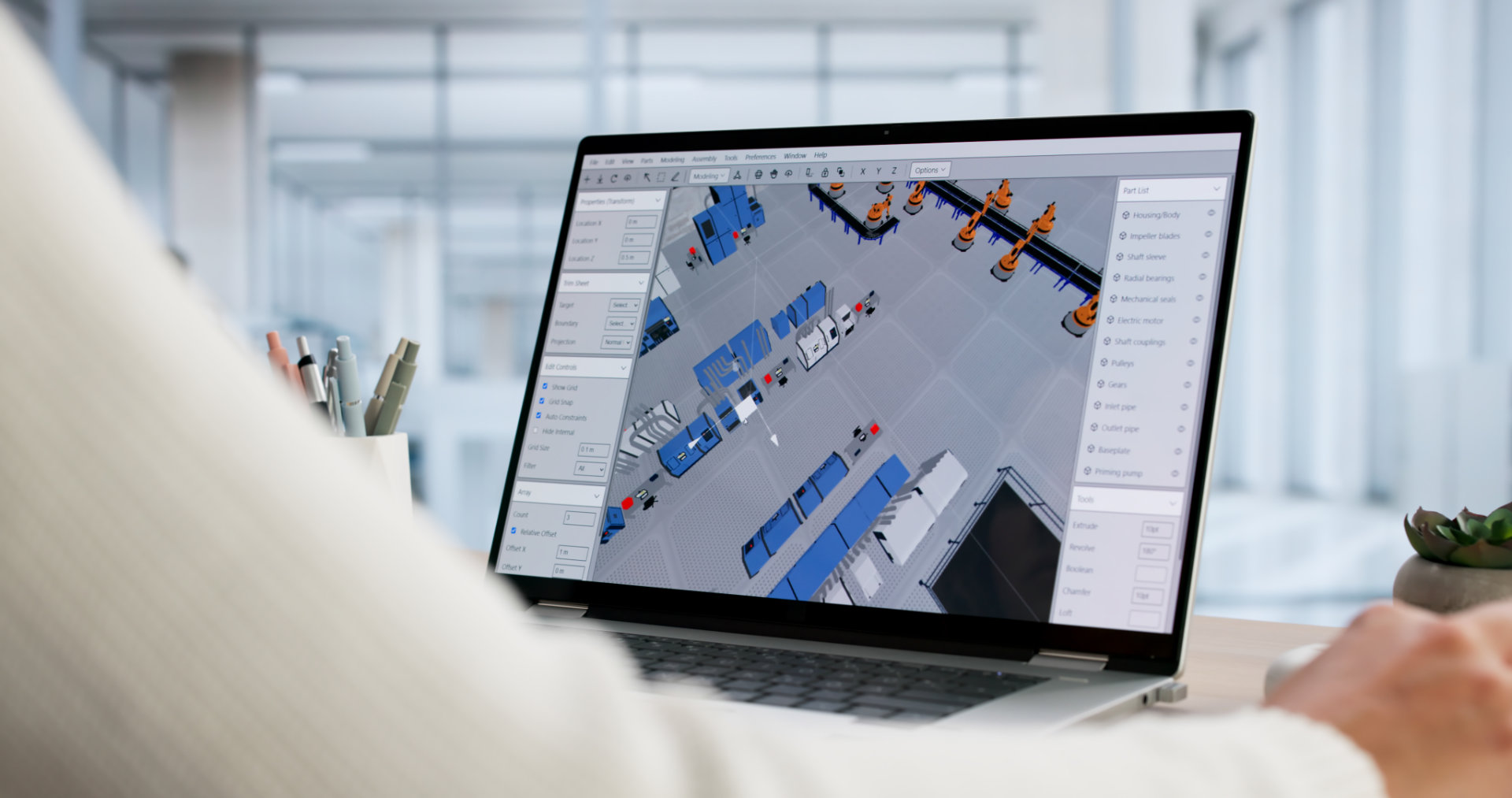
We have a long history with AutoCAD Electrical, diving into wiring diagrams, panel layouts, and control schematics for everything from discrete machinery to full manufacturing cells. There’s something almost meditative about tracing wires, building clean ladder logic layouts, and solving complex control puzzles on paper—or rather, on-screen.
We also use EPLAN for projects that demand even tighter integration and documentation. Whether it’s a small upgrade or a multi-line integration, our electrical team loves making diagrams that are not only functional but elegant and audit-ready. If you’ve ever spent a day debugging a messy schematic, you know the satisfaction of seeing a clean, well-documented design—the kind we deliver every tim
SolidWorks Experts
Mechanical Design with SolidWorks
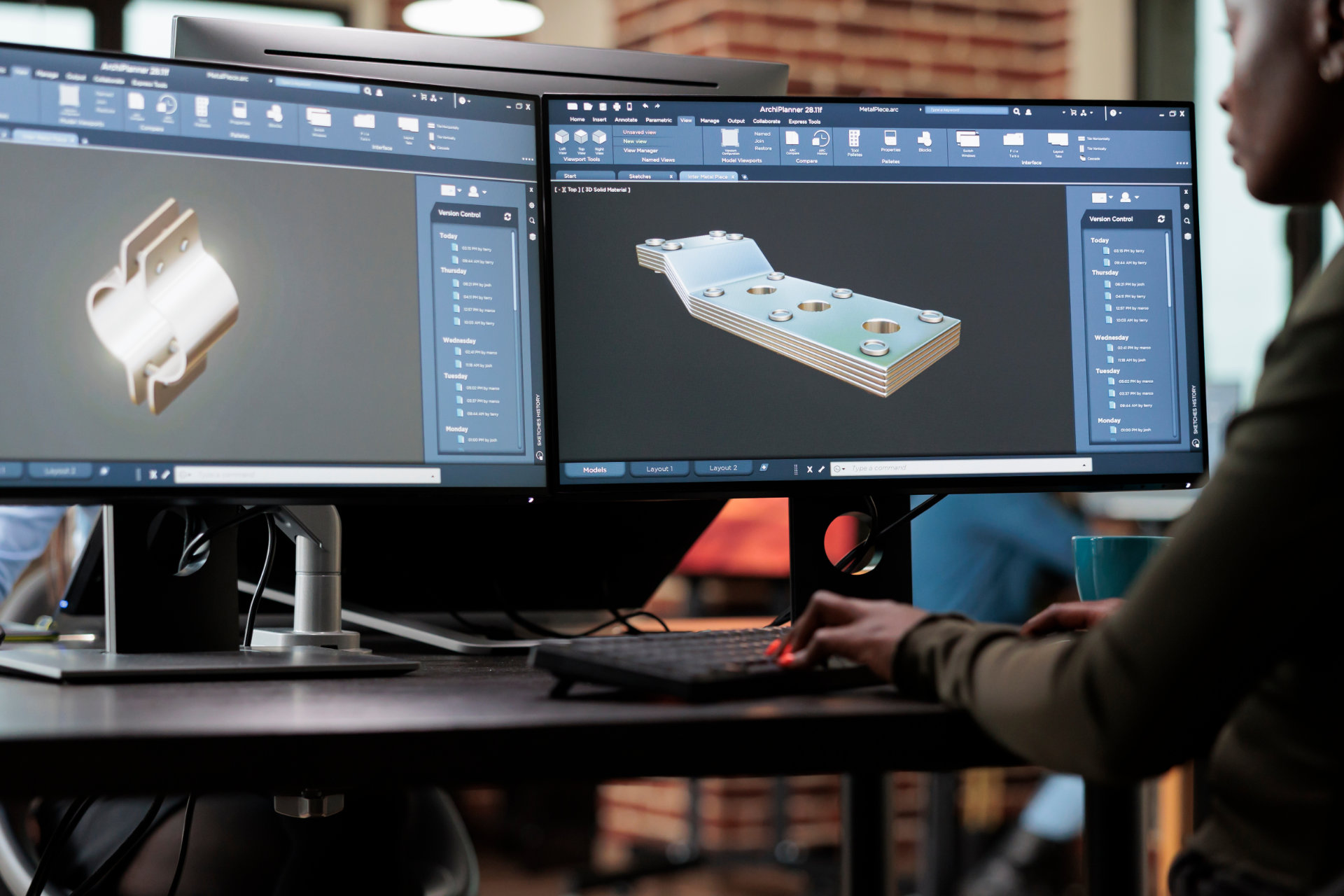
When a project requires a mechanical system, our engineers jump into SolidWorks, creating everything from conveyor assemblies to custom tooling. We enjoy tackling the challenges of motion envelopes, clearances, and part interactions long before any fabrication begins. It’s like building a playground in 3D—except the swings have actuators, sensors, and safety interlocks.
Digital Twins
Robotics and Digital Twins
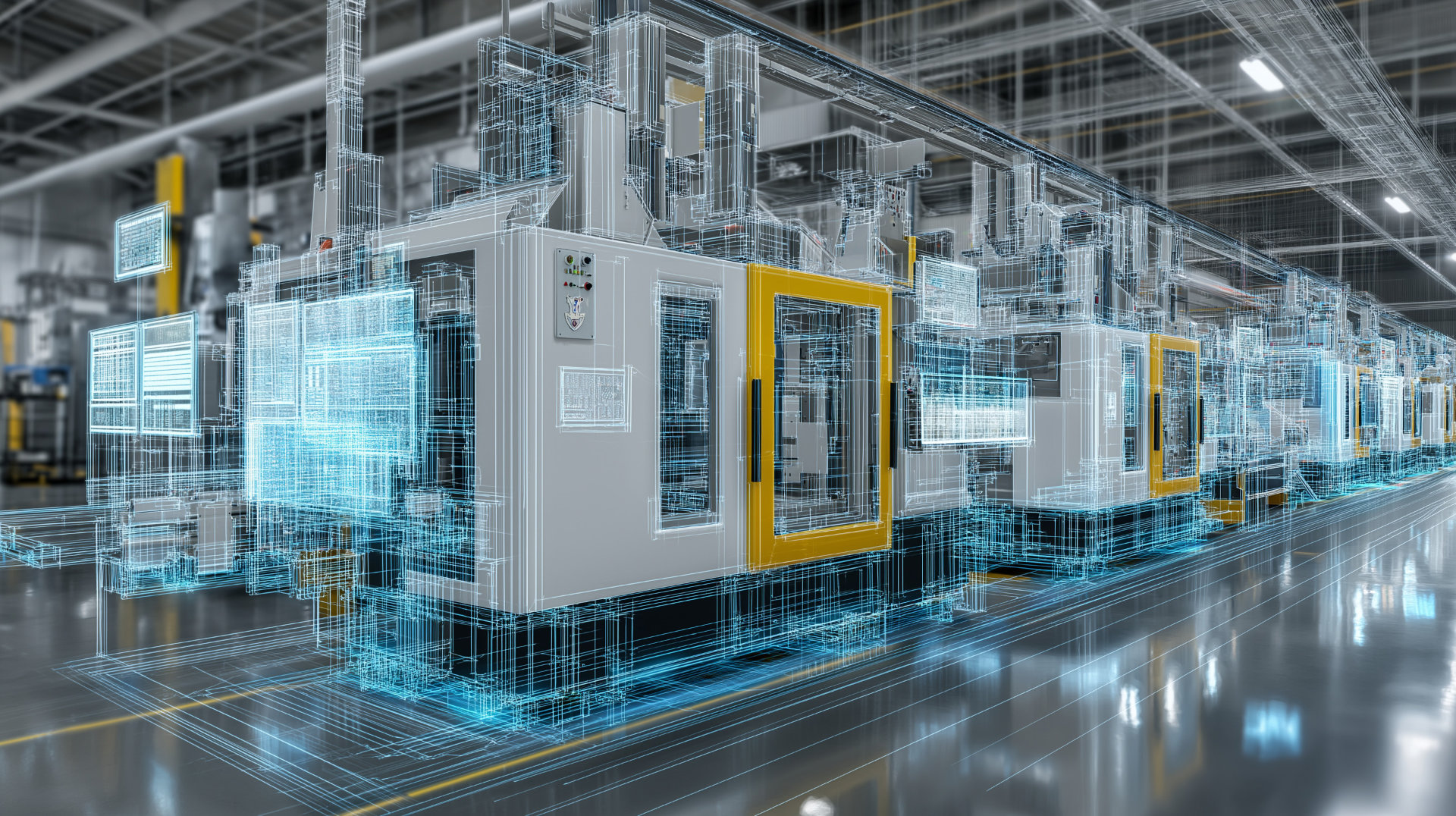
Our robotics team takes simulation seriously. Every multi-robot cell is first tested in digital twins using Fanuc RoboGuide, ensuring paths, safety zones, and cycle times are fully validated before we ever step foot in a plant. We simulate collisions, verify reach, and optimize efficiency—so when the robots arrive on-site, they already know the choreography. Our library of screenshots and videos shows these
Simulation Experts
Simulation at the Heart of Modern Engineering
Simulation isn’t just about avoiding mistakes—it’s about speeding up innovation, reducing risk, and exploring options that would be too expensive or time-consuming in real life. Whether it’s electrical, mechanical, or robotic, our engineers iterate virtually, refining every detail and testing every edge case. It’s the closest thing to time travel in engineering: seeing the final system before it exists.